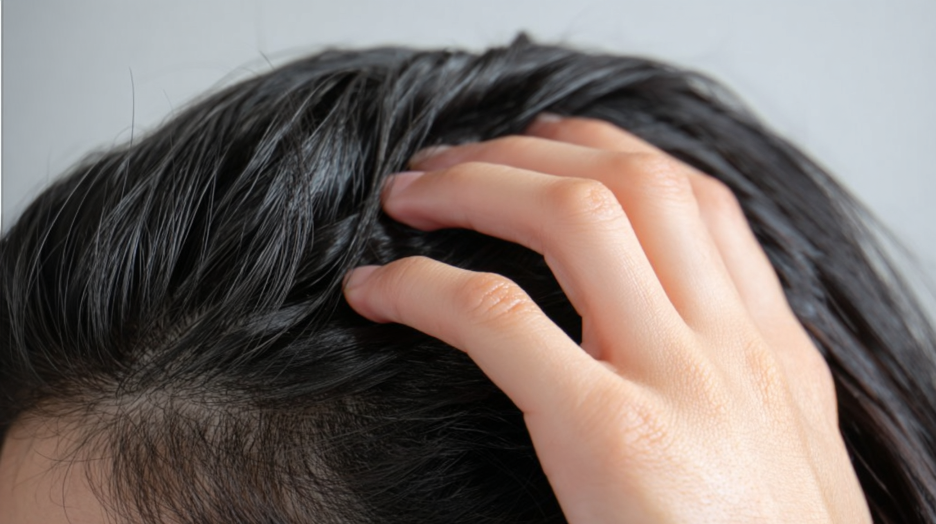
You might have occasionally wondered, “Why does my hair get greasy so fast?” Even if you wash your hair thoroughly, it might look greasy and oily the next day. Various factors cause this widespread issue. People with fine and straight hair often complain about this problem. However, the issue may also depend on your lifestyle and hair care routine. When you notice your hair getting greasy fast, you may be tempted to wash it daily, which can make it excessively dry and exacerbate the condition.
However, frequent washing and scrubbing stimulate sebaceous glands. As a result, they start producing even more sebum oil. Excess oil makes your hair and scalp greasy, irritates the skin, and makes hair look lifeless. In this guide, we will consider the main causes of this condition and offer practical remedies for preventing your hair from getting greasy.
Main Reasons for Greasy Hair
If you notice that your hair becomes greasy and oily quickly, there might be multiple reasons behind this issue. Some people are genetically predisposed to this condition. Others use hair washing and styling products that stimulate excessive sebum production. Environmental factors also impact the health of your scalp. When it’s hot outside or when you do exercises at a gym, your body produces more sebum and sweat. Below, we have outlined the most common reasons for oily hair and suggested potential remedies for each situation.
What Causes Greasy Hair?
You may ask yourself: “Why does my hair get oily so fast while other people do not seem to have this problem?” It might mean that they have a different hair care routine or follow a healthier lifestyle. A well-balanced diet with plenty of nutrients can positively affect the condition of your hair. If you eat too much fast food and avoid vegetables, you may notice that your overall condition has worsened. Moreover, applying too many hair products close to your roots makes it get greasy faster.
Hormonal changes might also provoke a surge in sebum production. If you feel anxious and stressed, your mental condition might significantly impact your hormone levels. The amount of sebum produced by the scalp drastically increases during the teenage years. Moreover, it might become more noticeable during your periods, pregnancy, or menopause. You can reduce the impact of such changes by adjusting your hair care routine and changing your diet and daily habits.
If your scalp is naturally oily or has dry and oily areas, you might be more prone to this condition. When you notice a sudden increase in sebum levels, be sure to contact a doctor to understand the reasons behind these changes and find the best possible solution.
You might be surprised to discover that there are plenty of cases when the wrong hair routine results in increased sebum production. We have described the most common mistakes you can make.
Overwashing your hair
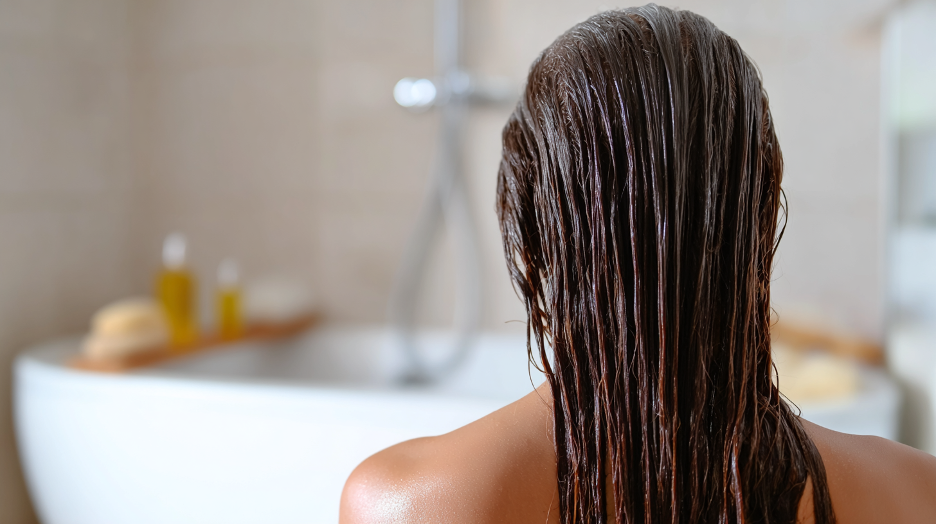
When you wash your hair too often, your hair roots can get oily. It happens because shampoos remove natural oils from your scalp, leading to increased sebum production. This might make it impossible for you to avoid greasy hair. That is why it’s advisable to wash your hair every 2-3 days to keep it healthy and clean. It will help minimize the effects of hot water and a hair dryer on your hair.
Using the wrong shampoo and conditioner
Some hair products might not be suitable for your type of hair. As a result, you will have to deal with oily roots. Shampoos with strong sulphates remove natural oils and provoke a sebum overproduction. This is why it’s better to choose sulphate-free products that do not stimulate undesired effects. However, in some cases, health professionals may recommend using a stronger sulphate or even a clarifying shampoo weekly to avoid grease buildup. When your hair gets healthier, you will be able to use a shampoo daily without any negative effects. Do not apply hair conditioner close to the roots if you want to avoid a greasy look.
Using a hair dryer and a hair straightener too much
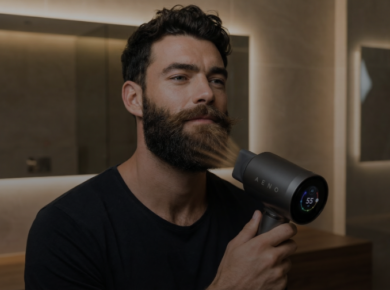
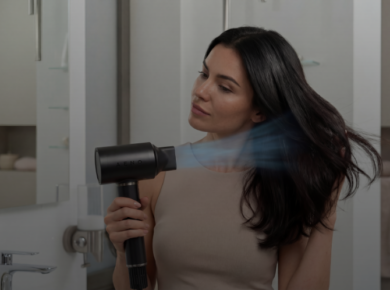
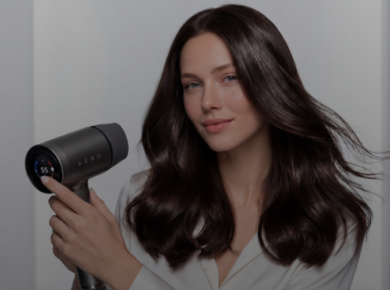
When your scalp overheats from blow-drying your hair after washing, it may start producing too much sebum. Hair straighteners and other styling accessories may also have a negative effect on your hair, especially if you use them without applying heat protection spray first. If you want to know how to stop hair from going greasy, it’s recommended to minimize styling your hair too much.
Regularly touching your hair
Some people have a nervous habit of touching their strands whenever they do not know what to do. This habit is often unconscious, so many of them do not realize they have it. You may also get excited seeing your newly styled hair and keep touching it while standing in front of the mirror, trying to make it look even better. However, such simple actions make your hair oily and give it a flat and lifeless feel.
When you touch your hair, you change the well-balanced distribution of the sebum. Fiddling with strands makes them look unhealthy and greasy. If you have discovered that you have this habit, try to consciously avoid it. You may even opt for a new hairstyle to ensure you won’t be tempted to touch loose strands.
Wearing hats and choosing tight hairstyles
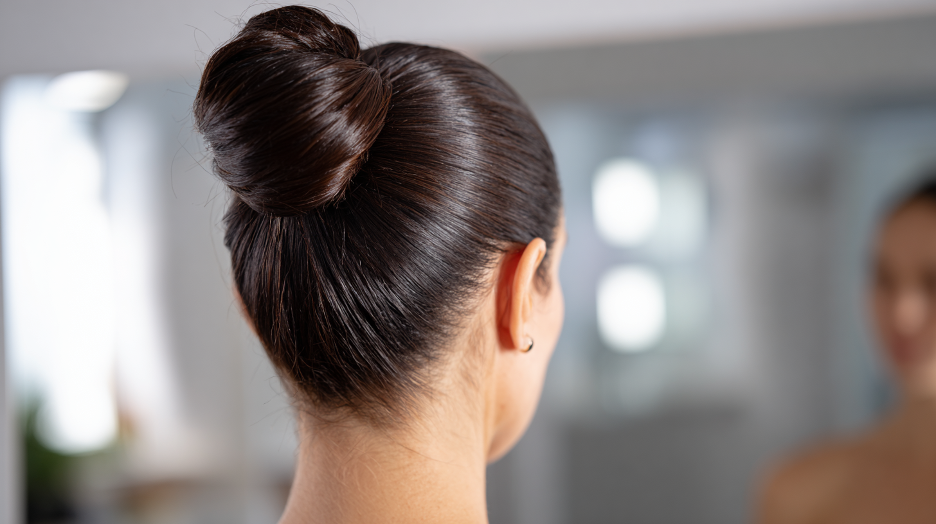
When it gets colder outside, you may notice that your hair starts getting greasy more quickly once you start wearing hats. Those who prefer tight hairstyles, including ponytails, buns, and tight braids, also often complain about this problem. When hair is restricted, the natural scalp oil gets accumulated at the roots and does not move down the hair shaft. Reduced airflow also negatively affects the scalp and may result in irritation and stimulate sebum production.
Tips for Stopping Hair from Becoming Greasy
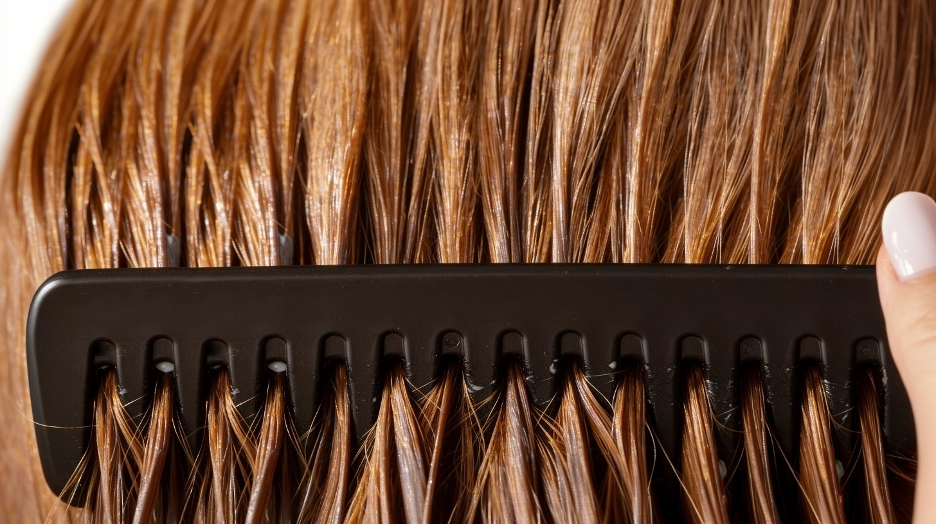
After you have discovered the likely causes for your greasy hair, it’s time to change your hair care routine. There are plenty of practical remedies that could help you make your hair and scalp healthy again. Read on if you wonder how to stop hair from getting greasy fast.
How to Stop Hair Getting Greasy
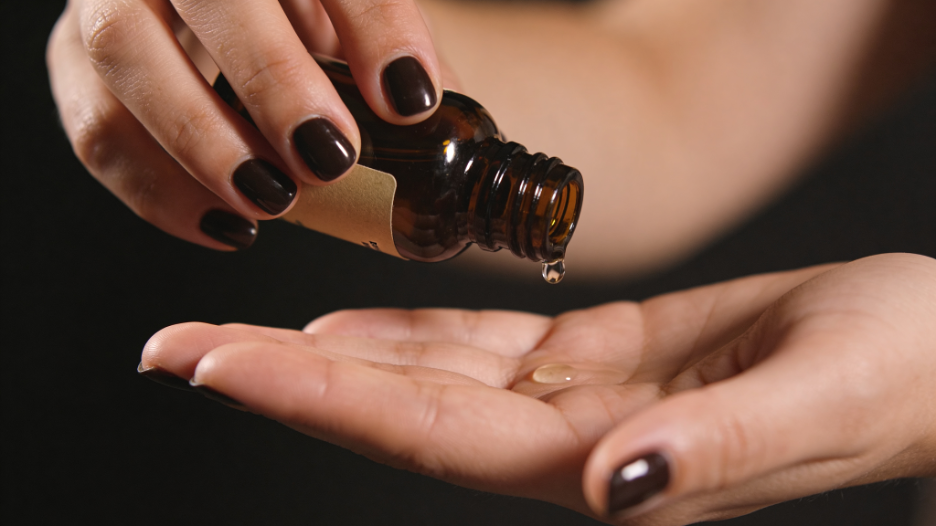
- Avoid washing your hair too often. It would suffice to cleanse it 2-3 times per week thoroughly.
- Use a sulfate-free shampoo for oily hair. Such products make your hair cleaner without removing natural oils that protect it. Moreover, your scalp won’t need to overcompensate for the lack of natural oil, which will make it healthier.
- Massage your scalp slightly when washing your hair. You will gently remove dead skin cells and residual oil, improve blood circulation, and strengthen hair roots. If your scalp is clean and healthy, it will contribute to better hair growth.
- Rinse your hair with barely warm water. Hot water may strip away natural oils, making your hair dry and prone to breaking. If the water temperature is too high, it might irritate your skin and make your hair follicles weaker.
- Do not apply a hair conditioner to the roots. Otherwise, it might make your hair look greasy and flat.
- Avoid applying too many natural oils and styling products to avoid clogged hair follicles.
- Use dry shampoo between washes when you need to get your hair clean quickly. It will absorb excess oil and give your hair a fresh look without washing and blow-drying it too often. You will save a lot of time and avoid frequent styling. This solution is best suited for those who travel a lot or go to the gym regularly.
- Follow a healthy diet. Be sure to drink more water, eat less fatty foods, and include plenty of vegetables in your daily menu.
By following these simple tips, you can cleanse your hair and scalp carefully, avoid excessive damage to your hair, and learn how to take care of yourself better.
Home Hair Care Routine and Professional Treatments
If you want to know how to prevent your hair from getting oily, you can embrace healthier habits and transform your hair care routine. There is no need for salon treatments if you keep your hair healthy, as there are plenty of efficient home remedies. However, if you realize that you cannot solve the issue of greasy hair on your own, getting in touch with professionals will help you achieve sustainable progress. Here are some home and salon treatments you should consider:
- Apply clay, herbal, or vinegar-based masks to cleanse your scalp and remove excess oil without making your skin overly dry. Clay masks work best for cleansing both scalp and hair, as they naturally absorb excess oil and grease. Using them will allow you to boost your hair volume and make it look shiny and healthy. Some people prefer to mix clay with water and apple cider vinegar and apply the mask to damp hair for 10-20 minutes. After rinsing your hair, apply a hair conditioner to keep your hair hydrated.
- Scrubs and exfoliating treatments are professional-level remedies that can normalize sebum production. However, you should use them under supervision to avoid damaging your hair and stimulating excessive sebum production. Salicylic acid (BHA) can deep-cleanse pores and eliminate oil and dead skin. Be careful with physical scrubs; use them only for gentle cleansing.
- It might be necessary to book an appointment with a certified trichologist if sebum production does not normalize after home treatments. These professionals can diagnose chronic conditions and develop a personalized treatment plan.
Remember that it’s better to use professional shampoos for your everyday hair care routine. Pharmacy-grade products work best for those who want to solve the oily scalp issue and keep their hair clean.
Summing Up
In many cases, you should be able to fix oily hair fast by choosing a different approach to hair care. Using a professional sulfate-free shampoo, massaging your scalp, and applying masks can do wonders for your hair and gently remove the excess oil. Contacting a trichologist may be necessary to get assistance from a health specialist in complex cases. Once you learn to take care of your hair and keep your scalp healthy, you will be able to reduce oil naturally without drying out your skin.
 Tatyana Ryzhova