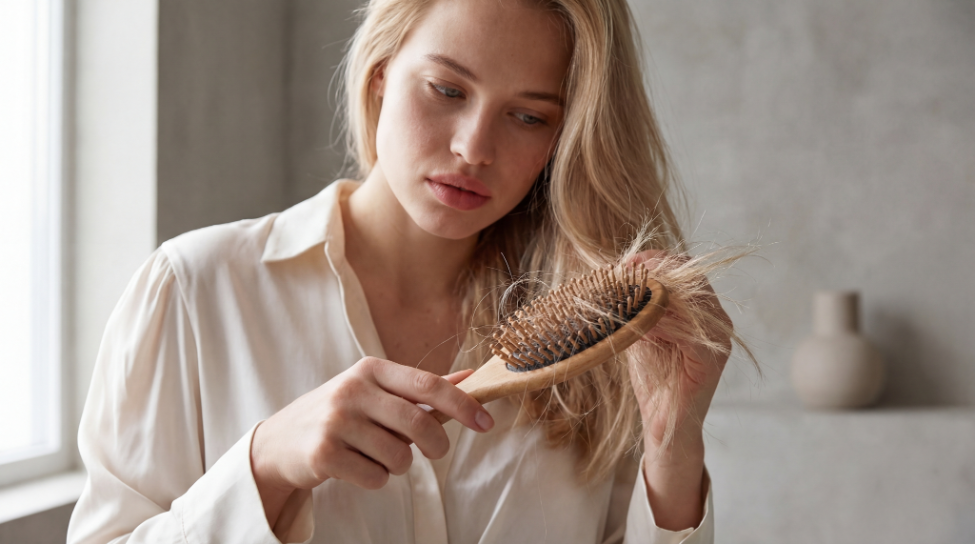
Hair breakage occurs when your hair snaps suddenly while you brush, wash, or style it. Even perfectly healthy individuals may lose up to 100 hairs daily. However, if your hair snaps off or breaks, it’s time to investigate the reasons and take the necessary steps to ensure it stays healthy and luscious. External factors, such as chemicals, high temperatures, or tight ponytails, may cause the issue. In this case, it might be enough to change your hair care routine. If the root causes are internal, it may be necessary to embrace a healthier lifestyle. In this guide, we explore the reasons behind hair breakage and suggest possible treatments.
Main Factors Causing Hair Breakage
When you discover that your hair has become too fine, frizzy, and prone to breaking, you start wondering about the primary cause of hair breakage. This issue may be caused by a combination of factors, from frequent heat styling to dietary habits. So, it’s important to analyze a multitude of negative factors impacting your hair and adopt a well-thought-out routine to regrow it. Let’s consider the main reasons behind damaged hair that is prone to breaking.
Vitamin D Deficiency and Chronic Stress
Lack of vitamin D is a widely cited reason for alopecia issues. People who do not have enough exposure to sunlight may partially compensate for the lack of this vitamin by following a diet with D-rich foods. Moreover, those who cannot cope with the pressures of modern society and often feel stressed also report excessive loss of hair. When a person constantly worries too much, their follicles may fail to hold hair tightly. As a result, growing hair may break off too early.
Taking walks outside, following a healthy diet, and practicing yoga, meditation, and deep breathing can help you restore your health. Your diet should include the widely known nutrients that help hair grow, including zinc, iron, and folic acid. Moreover, you should eat enough protein and antioxidants. The latter can be found in plant food. A new diet will also help you improve the condition of your skin.
Tight Hair Ties and Hairstyles
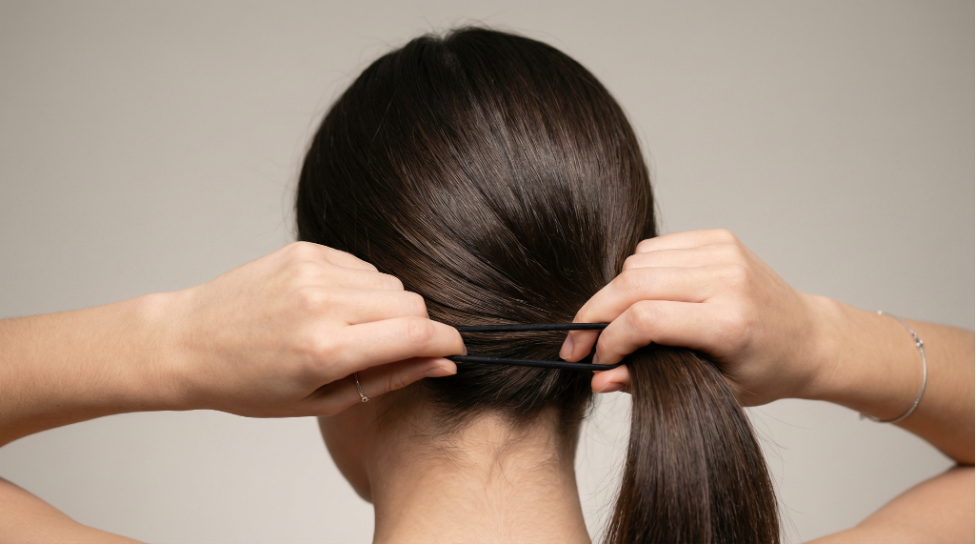
Many people wonder, “How to stop hair breakage?” However, they fail to see that it is their daily hairstyle that contributes to hair loss. Elastic hair ties may be convenient to use during workout sessions, as they allow you to pull your hair back into a simple ponytail. However, they can be extremely damaging, as they impact both scalp and hair cuticle. It might be a good idea to make your ponytail a bit looser. Rubber bands are known for their lasting negative impact on hair, so it’s better to avoid them altogether.
Those who prefer twisting their hair, fiddling with it unnecessarily, and wearing their hair up also often complain about breakage issues. It’s better to wear protective hairstyles instead to diminish potential damage. Surprisingly, even an innocent habit of tucking hair behind your ear might create unnecessary tension and make your hair more prone to breaking off.
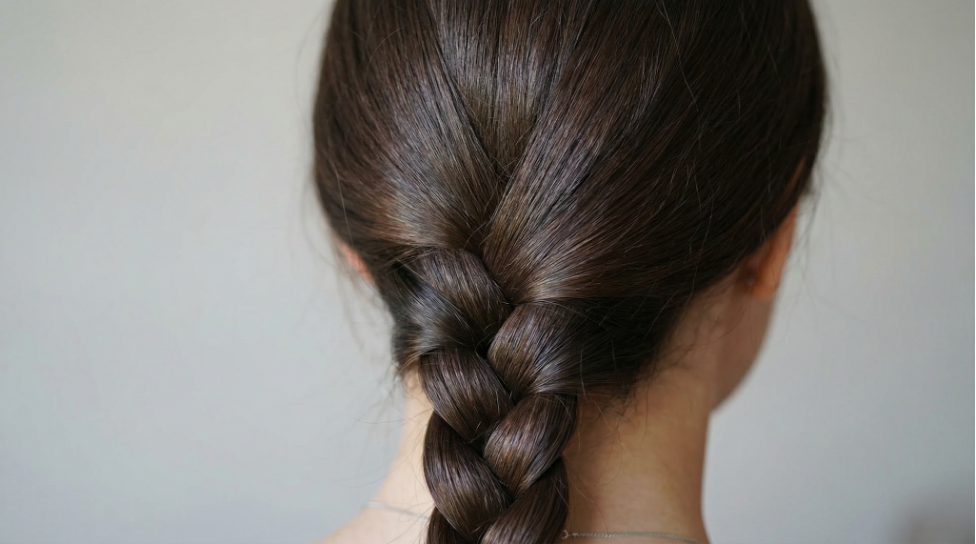
Pay close attention to how you style your hair and avoid using hair clips and banana clips with sharp edges that might pull your hair too much. Bobby pins may also lead to substantial damage when you fail to use them well. Wearing your hair in buns may look stylish, but it often results in breakage. You should embrace less damaging hairstyles if you want to keep your hair healthy. Avoid tight braids to ensure there won’t be any unnecessary tugging.
Excessive Dryness and Lack of Nutrients
If you notice that your hair has become uncharacteristically dry, it’s time to start worrying, as dryness is considered one of the first signs of future damage. It’s recommended to use warm water when washing your hair to avoid dryness. Try applying shampoo mostly to your scalp. Apply hair masks to the middle part and the ends of your strands, and always use conditioner. A live-in conditioner might be a good solution for those who need to comb their hair before blow-drying it completely.
A breakage may occur if your body lacks important nutrients. People suffering from eating disorders often report issues with hair. They need to adopt a well-balanced diet with plenty of fruits, vegetables, whole grain foods, and lean proteins. Moreover, they may need to undergo inpatient treatment programs and get help from medical professionals.
Mistakes in Hair Routine
Many people want to know: “How can I stop my hair from breaking?” They do not realize they may be combing it too much. Women who brush their hair less have diminished hair loss. Use wide-tooth combs to avoid breakage, and do not comb your hair when it’s still wet. Do not rub water out of your hair using a towel, as you may damage it further. Frequent washing is a strict no for people with dry hair.
Over-processing
Perm, hair dyeing, straightening, and other professional services may be extremely damaging. Applying hair masks between sessions is necessary to keep your hair healthier and protect the cuticle.
Heat damage
If a hair dryer and flat iron are a part of your daily routine, you need to protect your strands from heat. Use ceramic styling tools and take breaks at least once a week. Heat-protecting sprays and other similar products can help you diminish the impact of heat.
Environmental factors
Wind, cold air, excessive dryness, or too much sun might also affect your hair. Be sure to keep your hair moisturized and maintain a healthy care routine to ensure that its condition won’t be worsened due to changing weather.
Is Hair Breakage Different from Hair Loss?
While these terms may be similar, there is a subtle difference between them. Hair naturally falls out together with the root during the shedding stage. However, if you think that your hair loss is excessive, try pinching the strand and pulling it a bit. If your hair breaks, there will be no root attached to it. Moreover, it will be shorter.
If you notice after pulling 50-60 strands that you lost up to 5 strands, it means that you have natural hair loss. However, 15+ strands might indicate that your hair is prone to breaking. In this case, you will have to contact your healthcare provider to choose a suitable treatment strategy.
Tips for Preventing Hair Breaking
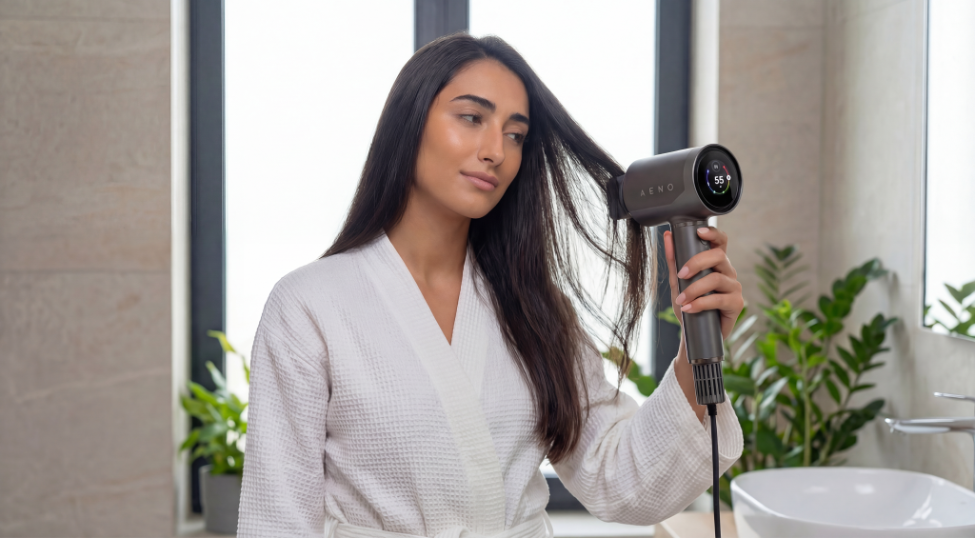
Many people ask: “How to minimize hair breakage?” You can improve your hair’s health gradually and ensure that it won’t get damaged easily if you fully transform your care routine. You may need to change your bedtime style and use silk scarves to diminish friction. Try piling your curls on top of your head and wrapping them with a scarf if you have type 3 or 4 curls. Those who have straight or wavy hair can choose loose braids instead of tight ones to protect their hair. A silk pillowcase is also a perfect way to minimize friction while you are sleeping.
When choosing products for washing your hair, remember that they should hydrate it without affecting its natural oils. A sulphate-free shampoo and conditioner might be the best choice for those who want to gently cleanse their hair. Remember, it’s important to use products produced specifically for your type of hair.
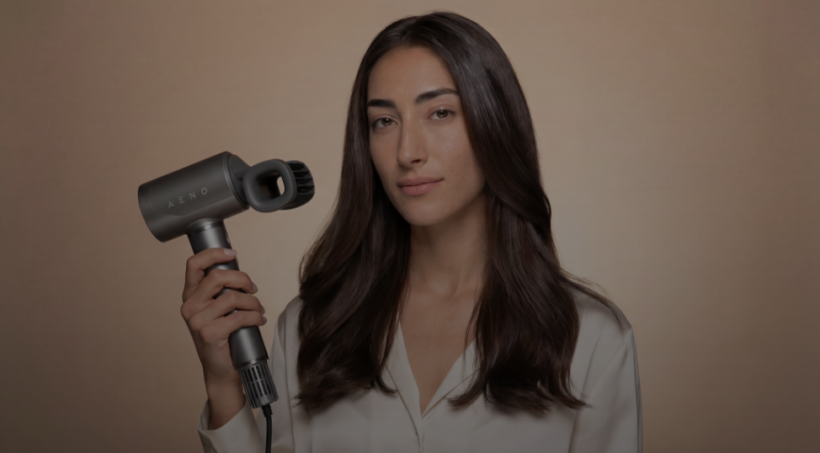
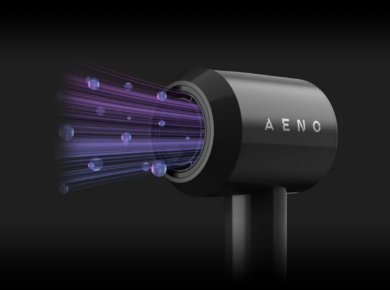
You should use an AENO hair dryer at low heat and airflow settings. Low temperature will allow you to make your hair look softer, as if it were styled in a professional salon. Trimming your hair every 6-8 weeks will help you remove split ends. Below, we have summed up our recommendations and created easy tips for you to follow.
How to Stop Hair from Breaking
- Use moisturizing, sulfate-free shampoos and conditioners to wash your hair carefully.
- Apply hair masks 1–2 times a week to strengthen the strands.
- Minimize the use of straighteners, curling irons, blow dryers, and other styling tools.
- Use heat protectant sprays and other similar products before exposing your hair to heat.
- Trim split ends regularly to ensure that your hair won’t be damaged any further.
- Avoid tight hairstyles to prevent unnecessary pressure on the strands.
- Follow a well-balanced diet and eat foods rich in vitamins A, E, and B7, and iron to ensure that your hair grows healthy.
Home Remedies and Professional Methods of Repairing Damaged Hair
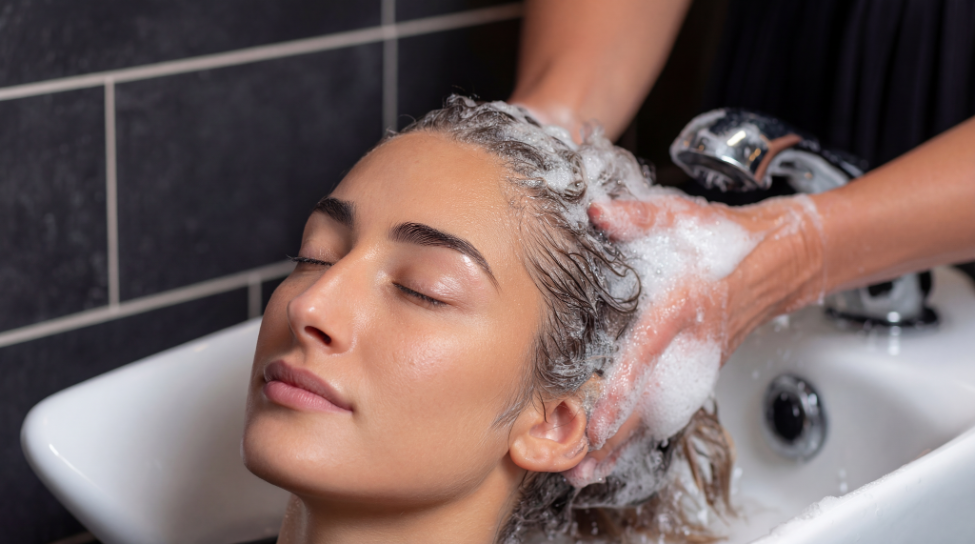
Many women prefer popular home remedies and pre-wash treatments to improve their hair’s condition. Some choose to apply coconut oil to their hair and leave it on for up to 1 hour before washing. It helps them minimize protein loss and strengthen their hair. Others mix eggs and honey and apply the mixture to their hair for 20 minutes. Olive oil is a popular solution for those who want to make brittle hair more luscious and prefer overnight treatments. It’s better to apply such masks to the ends and mid-lengths to avoid greasy hair. An argan oil hair mask might be the best choice for those who want to keep their hair hydrated and heal split ends.
Salon treatments are popular among those who value their time and want to order professional hair care procedures, including keratin smoothing, hair botox, and deep conditioning. These treatments help minimize frizz and make hair look smoother and more polished. Moreover, they simplify your daily styling routine and make hair softer and more resilient.
You can apply a few drops of natural oils to the dry ends to stop breakage. Be sure to trim the ends regularly and avoid excessive styling to keep your hair smooth and healthy.
Final Thoughts
Now that you know an answer to the question “What is hair breakage?” it’s time to change your care routine. Whether your hair breaks due to Vitamin D deficiency or other causes, you can change your diet, adopt healthier habits, and learn how to choose less damaging hairstyles. You can solve the breakage issue if you improve your health and learn how to deal with frizz and split ends by choosing the right treatments.
 Tatyana Ryzhova



2 comments
This is an incredibly thorough breakdown of the “why” behind hair breakage! It’s so easy to blame a single product, but as you pointed out, it’s often a combination of internal health and external habits. The mention of Vitamin D deficiency and stress is a crucial reminder that our hair is often a barometer for our overall well-being. I also love the “pinch test” tip—it’s such a simple way for people to distinguish between natural shedding and actual damage.
Thank you for all the tips. When I was younger, I noticed that my hair got damaged every time I shampooed it. I didn’t know before that it should be the scalp only, not the ends of the hair.