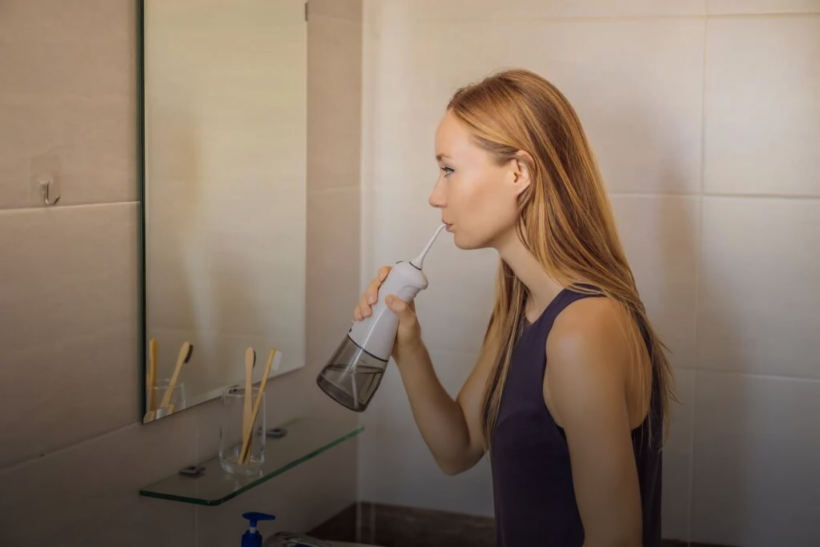
Irrigators are not among the most familiar personal care products, so choosing one for the first time can be somewhat difficult. If you want to introduce another step into your everyday oral care routine and try a new device at home, you may not always know where to start or which characteristics deserve the most attention.
In general, an oral irrigator is a device designed to rinse and clean the spaces between teeth and other areas of the oral cavity while also massaging the gums with a pulsating jet of pressurized water. You can learn more about these devices in the article What is an Irrigator?
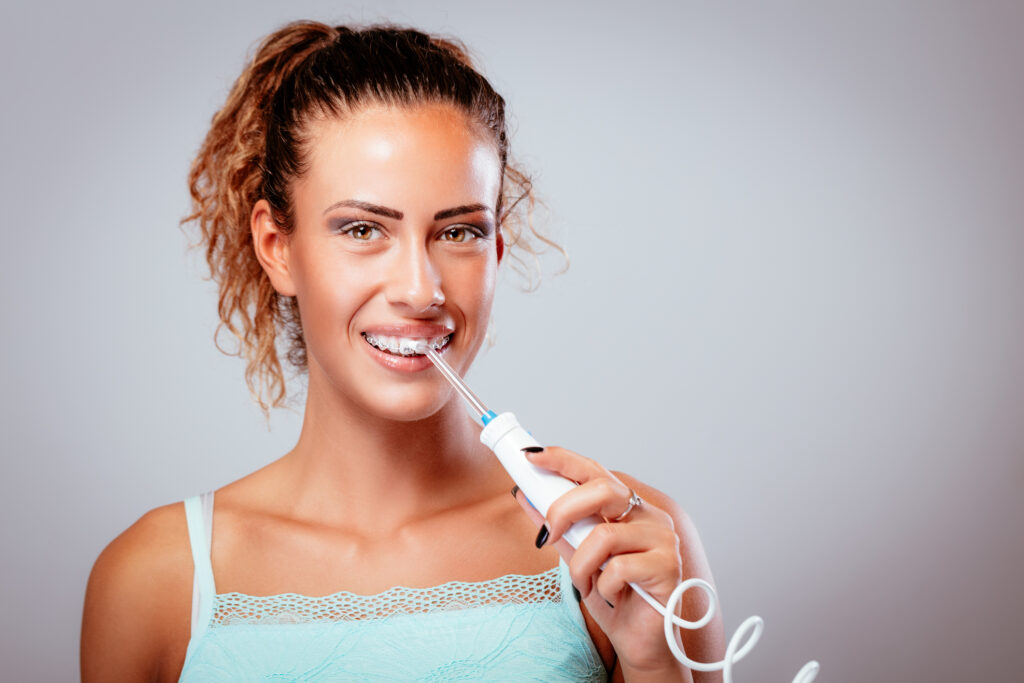
In recent years, many different types of flossers and irrigation systems have appeared on the market. As a result, there is no single model that will be perfect for everyone. Your personal preferences, expected frequency of use, lifestyle, oral care requirements, and available budget will determine which irrigation system is most suitable for you.
That is why, before you begin comparing different alternatives, it is a good idea to make a clear list of your requirements. The more specific you are about what you need, the easier it will be to find the appropriate gadget. How to choose water flosser? There is a practical solution for almost every set of requirements and budget, whether you need a compact device for travel or a powerful stationary model for everyday family use.
To make your choice considerably easier, use this waterpik buying guide and pay attention to the most important features of a water flosser.
Different types:
Corded vs Wireless Models
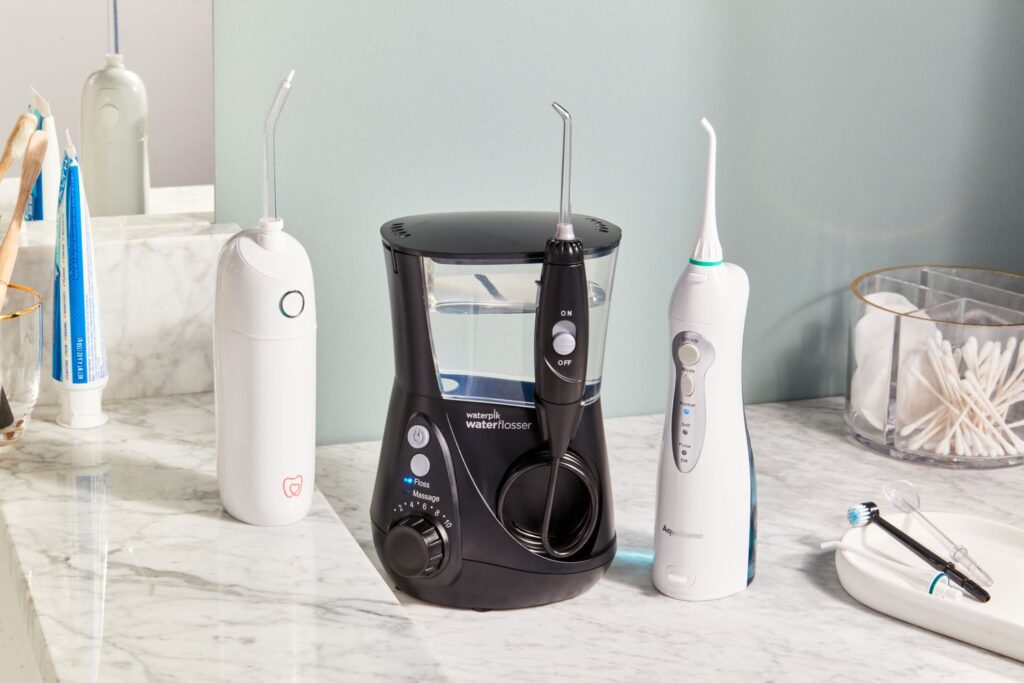
One of the first and most obvious factors to consider is whether you prefer a corded or wireless device. When other characteristics are comparable, this decision mainly depends on your personal preferences, bathroom setup, and usual habits. Both types have their own advantages as well as certain limitations.
- Handiness
The main advantages of a cordless water flosser are portability and convenience. You can use it in different areas of your home without being tied to a particular electrical outlet, and it is also much easier to take with you when traveling. A wireless model generally occupies less space in your luggage and can be a convenient choice for people who frequently move between locations.
Another benefit is that a cordless water flosser usually has a compact design. This can be especially useful in a small bathroom where counter space is limited. However, the smaller dimensions may also mean that the water reservoir has a reduced capacity compared with a stationary model.
- Battery Life
Battery life is an important characteristic to examine when selecting a portable cordless model. Depending on the particular waterpik, one charge can sometimes provide enough power for several days or even approximately a week of regular use, while other devices may need to be recharged more frequently.
It is also worth considering how the battery is charged. A model with a longer operating time can be more convenient for travel because you will not necessarily have to carry or use the charger every day. For people who spend a lot of time away from home, battery endurance can therefore be just as important as the cleaning performance itself.
In addition, remember that battery-powered devices allow you to use the irrigator in places where access to a permanent electrical outlet is inconvenient or unavailable. This makes cordless models particularly practical for trips, vacations, and other situations where mobility matters.
- Water Jet Power
Some corded water flossers can provide somewhat higher water pressure than cordless alternatives, although this is not an absolute rule. The actual performance depends on the particular model and its technical specifications rather than simply on whether the device is wired or wireless.
For stationary irrigation systems, power levels should be at least 550 kPa, while portable irrigation systems should provide at least 520 kPa. Adjustable pressure is also useful because different users may require different intensity levels. For example, a person with sensitive gums may prefer a gentler setting, whereas another user may want a stronger stream for thorough cleaning.
High pressure is not automatically better. Comfortable and controlled cleaning is more important than selecting the maximum possible setting. When starting to use a water flosser, it is generally more practical to begin with a lower intensity and increase it gradually if necessary.
- Capacity
Compared with corded models, a cordless device normally has an integrated water tank and a considerably smaller base or station. Because of this compact construction, it may be necessary to refill the reservoir before or even during each cleaning session.
Corded models are less portable, but they are usually equipped with a substantially larger tank. For some users, this is an important advantage because the reservoir can contain enough water for the entire operating cycle without requiring an interruption.
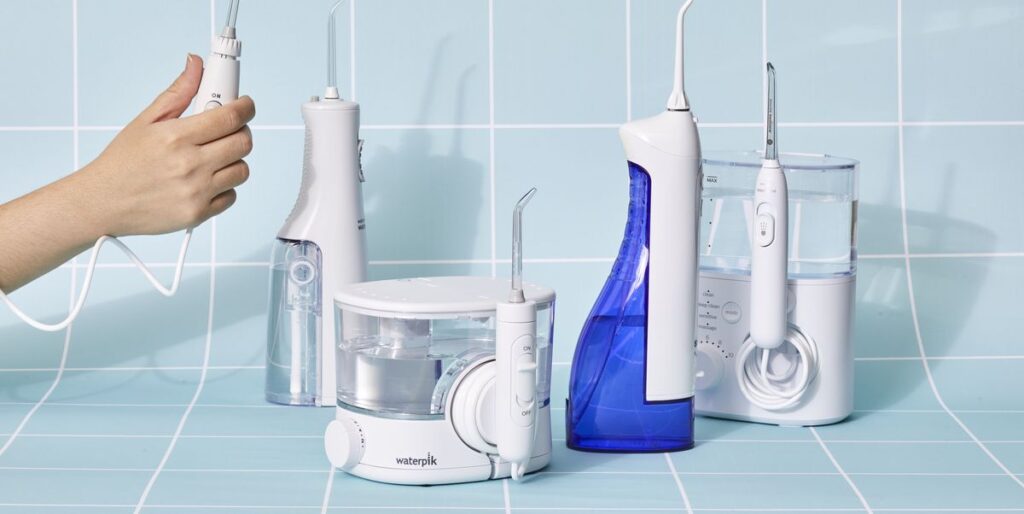
As a rule, the reservoir of portable models is smaller than that of wired devices. For a stationary device, the average capacity is around 500–600 ml, while a wireless model usually holds approximately 200–250 ml.
When choosing the capacity, think about how long you normally want to use the device. A larger reservoir can make daily cleaning more convenient, especially when the irrigator is shared by several family members. A smaller tank, on the other hand, contributes to a lighter and more travel-friendly design.
Jet pulsation frequency
The pulsation frequency affects both the characteristics of the device and the effectiveness and comfort of the cleaning process. A frequency of around 1200 beats per minute is generally considered an ideal figure for many irrigation systems.
Pulsating water helps clean interdental areas and can provide a gentle massaging effect for the gums. Nevertheless, frequency should not be considered separately from water pressure, nozzle design, reservoir capacity, and the overall construction of the device. A balanced combination of these characteristics is more important than focusing on one specification alone.
Operating modes
The functions and settings available on water flossers can range from essential options to advanced features that may not be necessary for every user. Some devices offer a simple single-setting or single-mode configuration, which is usually sufficient for basic everyday oral care. More advanced models may include several operating modes, adjustable pressure levels, timers, specialized programs, and other functions.
The main advantage of upgraded models is their versatility. Different modes can make it easier to adapt the cleaning process to individual preferences and particular oral care requirements. However, a larger number of features usually results in a higher price.
Therefore, people who want to keep their expenses to a minimum may prefer a more basic device. In many cases, a simple water flosser can perform the primary cleaning function effectively without a large number of additional programs.
The mode-switching mechanism can also differ between irrigation systems. On stationary models, the transition between settings is often gradual, while portable devices may switch between power levels in separate increments. The best choice depends on how precisely you want to control the intensity during use.
Another useful feature to consider is a built-in timer. It can help maintain a consistent cleaning routine and prevent spending too little time on certain areas of the mouth. In 2026, many newer personal care devices also place greater emphasis on convenient controls and user-friendly operation, making these small features worth considering when comparing models.
Removable heads
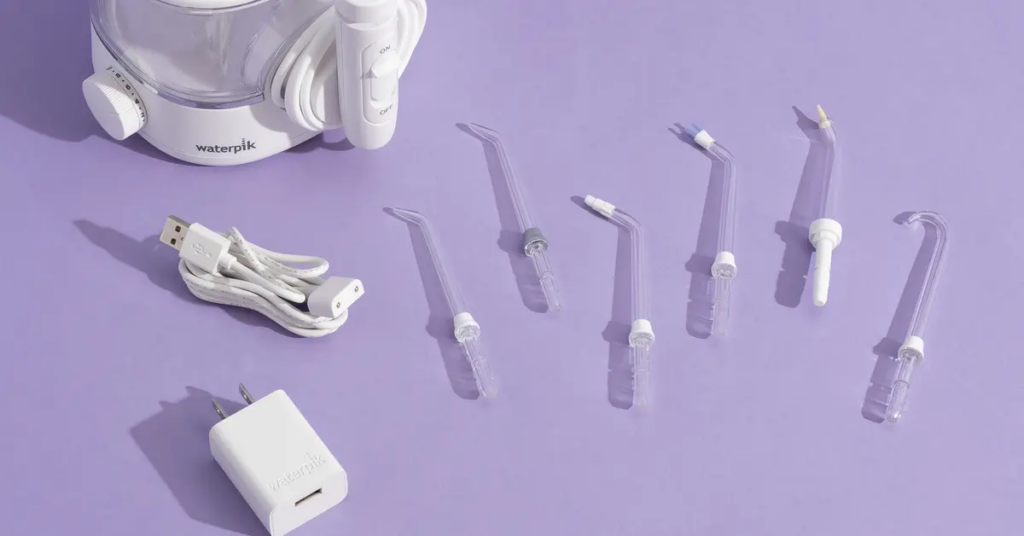
When considering interchangeable heads, there are several factors worth checking. First, water flossers without replaceable heads are generally designed around a fixed configuration, which limits the ability to adapt the device to different needs. Second, depending on the model you are considering, it is important to check the price and availability of replacement heads. Some replacement nozzles are relatively inexpensive, while others can be considerably more costly.
It is equally important to examine the range of exchange brush heads available for the device. Some are specifically designed for particular purposes, including gum care, sensitive teeth, orthodontic appliances, implants, crowns, bridges, and use by children.
The ability to use one device with several interchangeable heads is also a major practical advantage for families. Each person can have an individual nozzle while sharing the same main unit, which can make the overall investment more economical.
Changing and purchasing removable heads with nozzles is possible, and they are available in several different forms:
- The Classic Jet Tip is a basic nozzle intended for everyday cleaning of healthy teeth and gums. It is suitable for users who need a straightforward solution for routine interdental cleaning.
- The Orthodontic Tip is designed to help remove plaque around braces and beneath the gum line. A conventional nozzle can also be used for some of these tasks, but a specialized orthodontic tip can make cleaning around brackets and wires more convenient.
- The Periodontal Tip directs the water stream along the gum line and into periodontal pockets. It has a thin, soft rubber tip that is designed for gentle cleaning. Maximum pressure should not be used with this type of nozzle because excessive pressure can cause the tip to detach suddenly or become damaged.
- The special Plaque Seeker Tip is intended for implants, brackets, crowns, and bridges. It has three groups of bristles that help make it easier to clean around dental constructions and other areas where plaque can accumulate.
- The tongue cleaner is designed to remove plaque from the surface of the tongue and cheeks. Regular cleaning of these areas can contribute to a fresher feeling in the mouth and may help reduce one of the factors associated with unpleasant breath.
- The Nasal Tip is intended for irrigating the nasal cavity during the treatment or prevention of rhinitis and sinusitis. It should be used according to the instructions provided for the particular device and attachment.
Periodontal, orthodontic, and specialized brush heads generally need to be replaced approximately every three months, while standard heads can usually be changed about every six months. Always remember that every person in a family should have their own individual nozzle or set of heads for hygienic reasons.
Even more efficiency
Once you have determined how to choose a waterpik, you can also consider ways to make your oral care routine more effective. Using suitable special irrigator balms or solutions containing ingredients with antibacterial or anti-inflammatory properties can complement the action of a water flosser and make the cleaning process more comfortable.

The liquid you choose should correspond to the user’s needs. Certain solutions are intended to support tooth enamel, while others may be formulated for people who experience gum inflammation or require additional therapeutic and preventive oral care.
The condition of your teeth and gums is not the only factor to consider. Taste, sensitivity to particular ingredients, and compatibility with the irrigation device can also influence your choice. Before adding any specialized solution, always check the manufacturer’s recommendations for the specific water flosser.
How to choose a balms for an irrigator
It is important to remember that you should not simply pour hard running water into the irrigator without considering its quality. Tap water can contain impurities or minerals that may be undesirable for oral care and can potentially contribute to deposits inside the device over time.
The composition and intended use of the liquid should therefore be considered before selecting a solution for a water flosser. Different problems can be addressed by different formulations depending on their active ingredients:
- Fluoride solutions can help strengthen tooth enamel;
- Antiseptic solutions containing plant extracts can be used for therapeutic and prophylactic purposes;
- Solutions flavored with mint, menthol or eucalyptus can provide a fresher sensation and help freshen your breath;
- Bio antioxidants and anti-caries additives can be included in formulations intended to support periodontal care.
People with allergies or increased sensitivity to particular substances are advised to select hypoallergenic balms or solutions suitable for use with irrigators. It is also important to follow the recommended concentration and dilution instructions rather than assuming that a higher concentration will provide better results.
A water flosser should be viewed as one component of a complete oral hygiene routine. The choice of nozzle, water pressure, cleaning frequency, and solution should all be adapted to your individual situation. If you have braces, implants, gum problems, or other specific dental conditions, professional dental advice can help determine which attachments and cleaning approach are appropriate.
Reminder
It is important to remember that using a water flosser is an additional form of oral care and cannot replace a toothbrush. After brushing as usual, the waterpik can be used twice a day as part of a regular hygiene routine.
Using a toothbrush remains essential for maintaining good oral hygiene. A dental water flosser is a complementary hygiene device; it can serve as an alternative to traditional dental floss for some users, but it cannot replace a toothbrush and toothpaste. A toothbrush is still a necessary part of your everyday routine.
To make your dental care routine as effective and convenient as possible, you can consider an electric smart toothbrush with several operating modes and adjustable functions. You can find a suitable option in the personal hygiene product line of the AENO brand at the link: https://aeno.com/category/wellbeing
Want to BUY this product?
Check out retailer list for your country.
 Tatyana Ryzhova


1 comment
Your blog on choosing a water flosser is incredibly informative and helpful! I appreciate how you’ve laid out all the essential factors to consider, making it easier for readers to make an informed decision. Your thorough research and clear explanations truly stand out. Keep up the fantastic work!