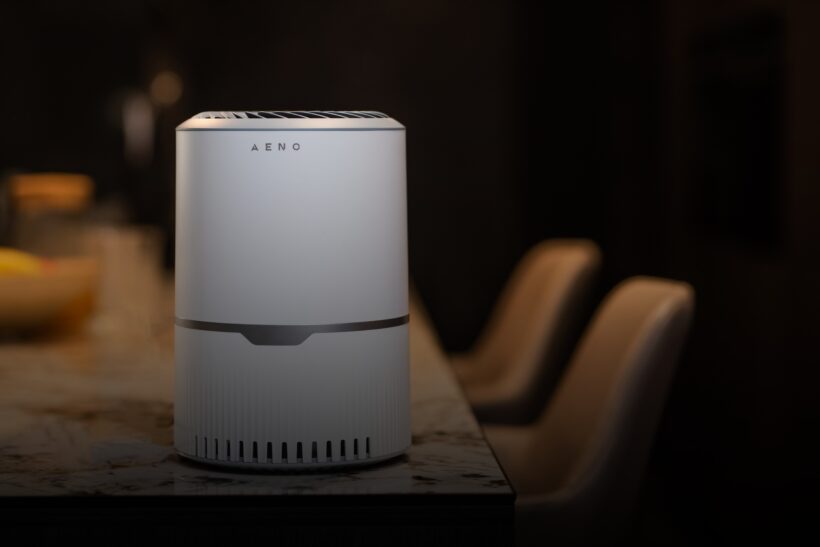
As healthy lifestyles continue to become more popular, people are paying increasing attention to the quality of the microclimate in their homes and workplaces. Breathing clean and comfortable air is especially important for residents of large cities, where people are regularly exposed to stress, dust and various forms of air pollution.
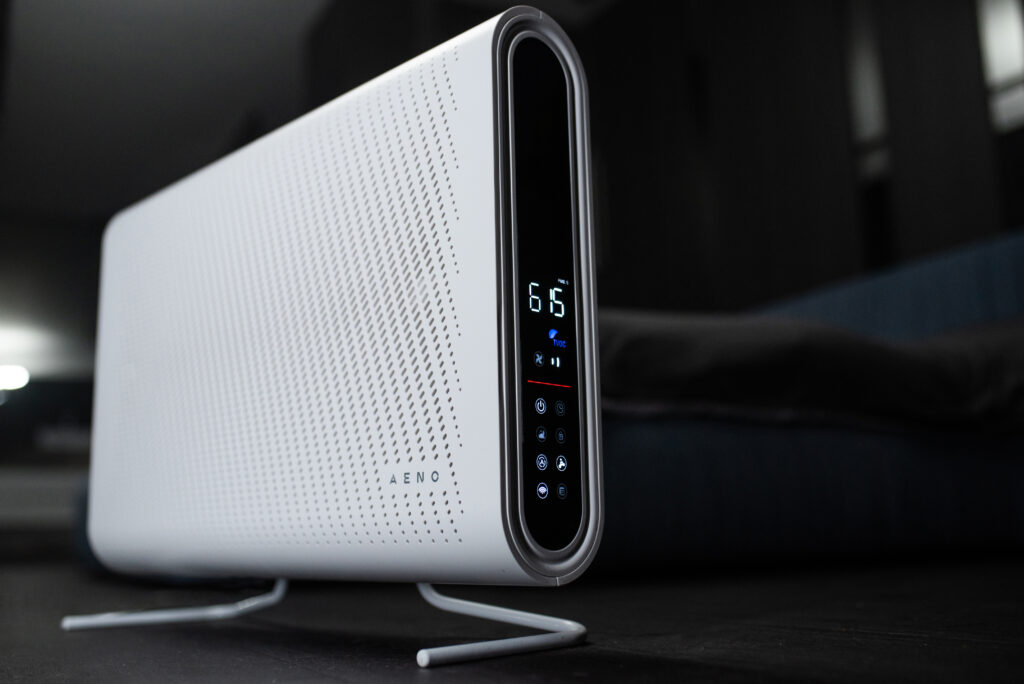
Humidifiers, air purifiers and ionizers are no longer unusual household appliances. These devices are designed to make the indoor environment more comfortable and improve air quality. Most people are already familiar with humidification and conventional air purification, while the ionization process may seem more complicated and is still less familiar to many users. So, how does an ionic air purifier work, and what benefits can it provide? Let’s take a closer look at the air ionizer working principle and its practical applications.
What is an air ionizer
An ionizer is a device that allows air to pass through a special ionizing area and generates electrically charged particles, including positive and negative ions. A similar natural process can occur under the influence of sunlight, electrical activity during thunderstorms and other atmospheric phenomena. In a modern city apartment, where windows may not be opened frequently, the concentration of air ions can be considerably lower than in natural environments.
An air ionizer is therefore designed to recreate part of this natural ionization process indoors. Depending on the device construction, it can generate predominantly negative ions or both positive and negative ions. The generated ions then interact with airborne particles and influence their behavior in the surrounding air.
Air ionizer working principle
The key element of an air ionizer is a special emitter that produces an ionizing electric field. Air passes through or near this field, where electrically charged particles are generated. Depending on the operating principle, air ionizers are generally divided into two main categories: unipolar and bipolar.
Unipolar ionizers generate primarily one type of ion, most commonly negative ions. They are commonly intended for apartments, houses and offices. The idea behind this approach is that the indoor environment contains numerous electrically active devices and particles, while the ionizer adds negative ions to the surrounding air.
Bipolar ionizers, on the other hand, generate both positive and negative air ions. Such systems can be used in environments where a more balanced ion concentration is required. In modern homes and offices, however, unipolar models are often considered more practical because people are surrounded by electrical equipment and other potential sources of charged particles.
How does it work
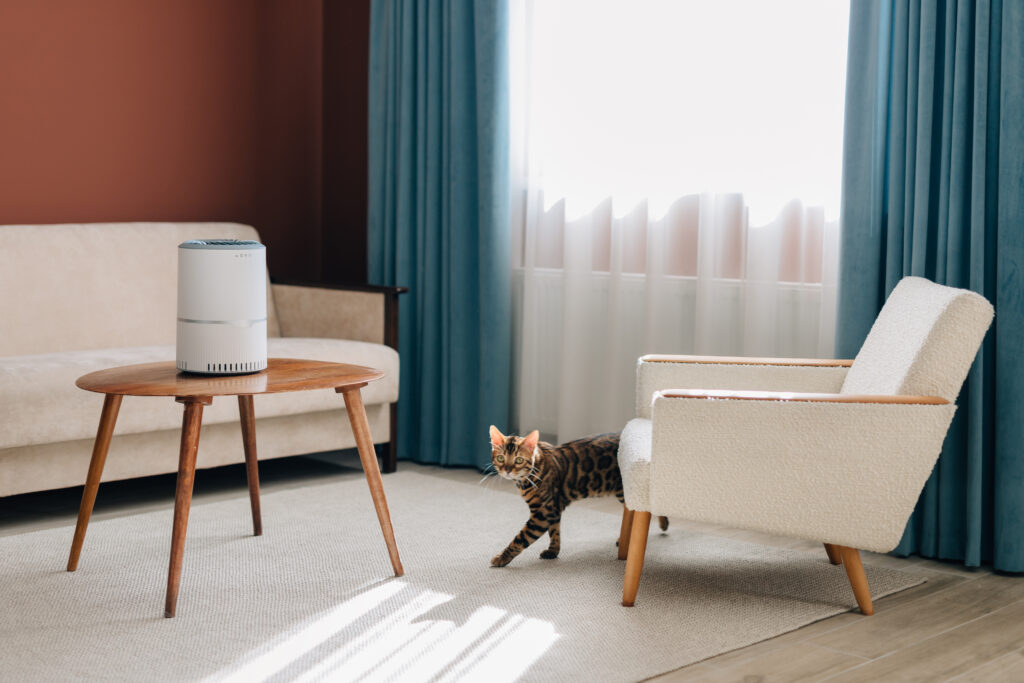
The concentration of air ions can vary significantly depending on environmental conditions. In natural surroundings, higher concentrations are often associated with mountainous regions, areas far from large cities, resort locations and places near the sea. Indoors, the concentration can be affected by ventilation, dust, humidity and the presence of electrical equipment. So, what does ionization actually do and how does an air ionizer work?
Inside the device, ionizing electrodes create an electrical field. A high voltage is applied between the relevant components, and the working principle is based on a phenomenon known as corona discharge. Under the influence of the electrical field, molecules in the surrounding air become electrically charged. The resulting ions are then released into the room and mix with the air.
Negative ions can attach themselves to airborne particles such as dust and other suspended contaminants. Once these particles become charged, they can be attracted to oppositely charged surfaces or settle out of the air. This is one of the main mechanisms behind the air-cleaning effect associated with ionizers.
The effective area of an ionizer depends on its power, design, airflow and the characteristics of the room. In some household models, the effect can extend several meters around the device, although the actual performance depends strongly on the individual appliance and indoor conditions.
Ionized air is often associated with a feeling of freshness and improved comfort. Some users report that they feel more energetic or relaxed when spending time in environments with good air quality. However, these subjective effects should not be confused with established medical treatment, and an ionizer should not be considered a replacement for professional healthcare.
The device can also contribute to reducing the amount of suspended particulate matter in the room. However, the time required for noticeable results varies depending on the size of the room, the initial level of pollution, the ionizer’s capacity and ventilation conditions.
For rooms with an area of around 20 sq.m, lower-power appliances may be sufficient, while larger rooms generally require a more powerful air ionizer. Before choosing a model, it is important to check the manufacturer’s recommended room size rather than relying only on the nominal power of the device.
Another factor worth considering is air circulation. An ionizer works most effectively when ions can spread throughout the room rather than remaining concentrated directly around the appliance. Furniture placement, airflow and room layout can therefore affect the practical result.
Main benefits
One of the main characteristics of negatively charged ions is their ability to interact with airborne particles and electrically charged surfaces. This property is responsible for many of the commonly discussed advantages of air ionization. But what are the benefits of using ionizers for humans?
It is important to distinguish between improving indoor air conditions and making specific medical claims. An ionizer can be a useful part of an indoor air-quality strategy, but it should not be regarded as a treatment for diseases or as a substitute for medical care.
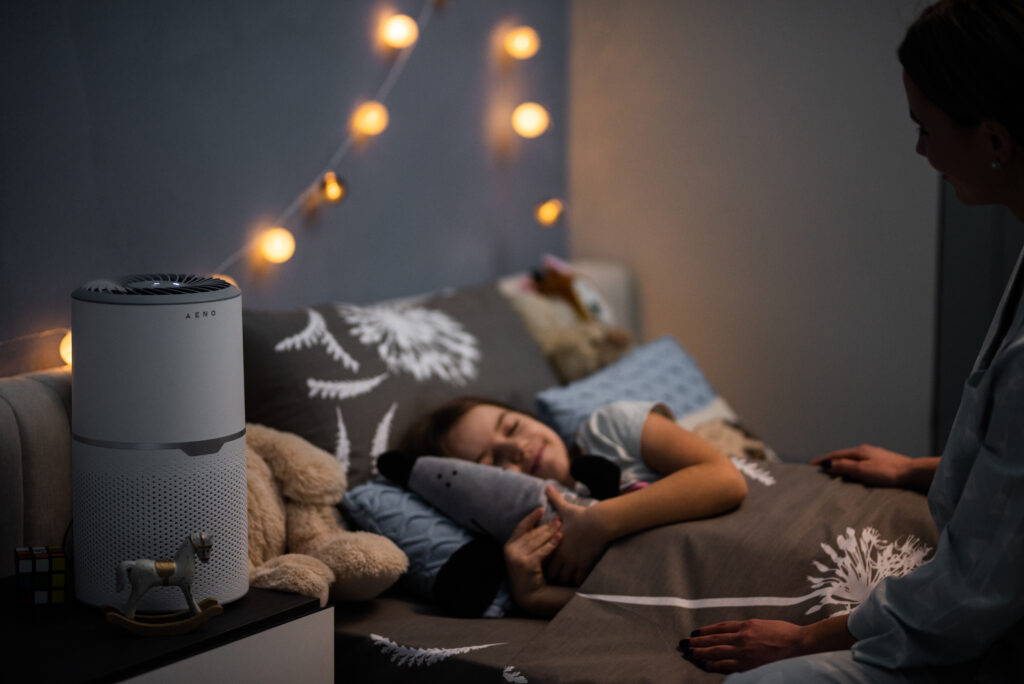
Better sleep and well-being
Good indoor air quality can contribute to a more comfortable sleeping environment. During sleep, the body has an opportunity to rest and recover, which can influence how energetic and focused a person feels during the day.
A comfortable microclimate, appropriate humidity and clean air can therefore support general well-being, freshness and concentration. An ionizer may be used as one component of an overall indoor air-quality routine, particularly when combined with proper ventilation and regular cleaning.
Acceleration of metabolism
Metabolic processes affect many aspects of the body’s functioning, including energy expenditure and the maintenance of body weight. Ionized air is sometimes claimed to accelerate metabolism and support tissue regeneration.
However, such claims should be treated cautiously. An air ionizer should not be considered a weight-loss device or a treatment for burns, bronchitis, pharyngitis, pneumonia or other diseases. A healthy diet, sufficient physical activity and appropriate medical treatment remain the primary factors affecting metabolism and recovery.
Immunity improvement
Clean and comfortable indoor air is an important part of maintaining a healthy living environment. Reducing exposure to excessive dust and certain airborne contaminants can help create better conditions for everyday well-being.
Some descriptions of ionization suggest that saturation of tissues and organs with oxygen can strengthen the immune system. In practice, the body’s oxygen supply is primarily determined by the respiratory and circulatory systems, so an air ionizer should not be presented as a direct method of improving immunity.
Healthy air
One of the most frequently mentioned benefits of an ionizer is its potential to reduce airborne pollutants, dust and certain microorganisms. The mechanism is based partly on electrically charging suspended particles, causing them to aggregate or settle on surrounding surfaces.
The reality, however, is more nuanced. Negative ions can cause some particles to leave the air, but this does not necessarily mean that those pollutants have been destroyed. They may simply accumulate on walls, furniture, floors or other surfaces. For this reason, regular manual cleaning remains necessary.
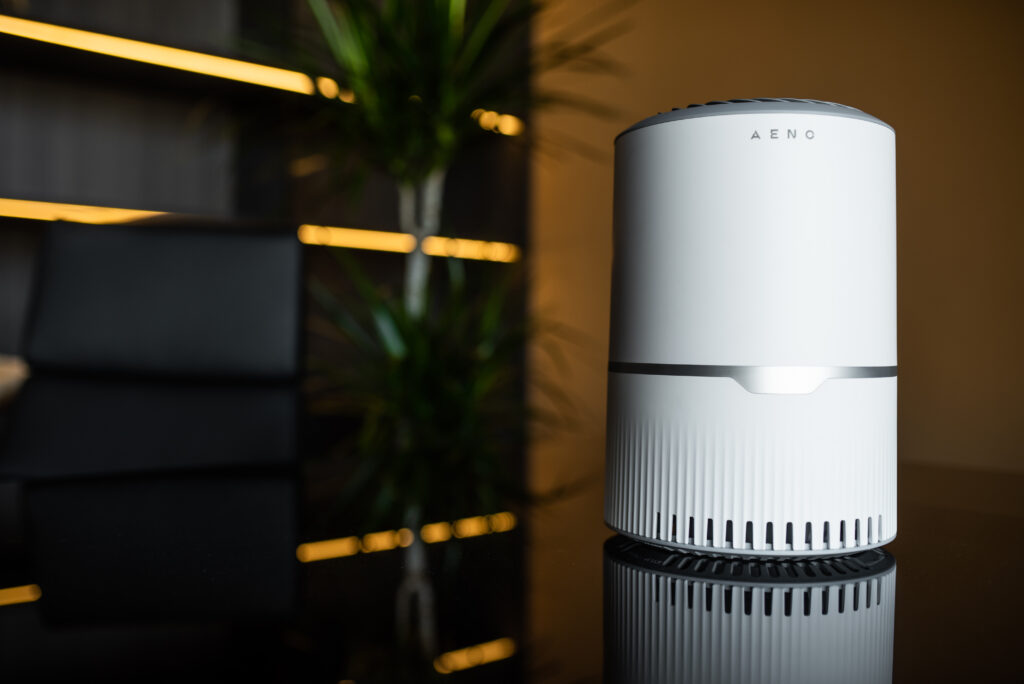
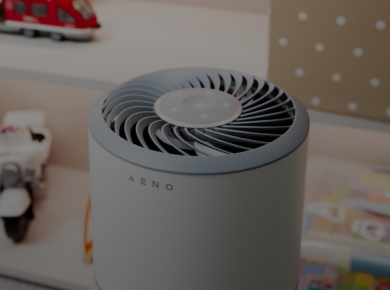
For more efficient operation, it is recommended to use an ionizer after cleaning the air with an air purifier or to choose a purifier model that includes an ionization function. This approach combines particle filtration with ionization and can be a more convenient solution for maintaining indoor air quality. The AENO brand, for example, offers models with air purification and ionization functions.
Another important consideration is filtration. A conventional air purifier with an appropriate filter can physically capture particles and remove them from the air, while ionization primarily changes the electrical properties of suspended particles. Combining the two approaches can therefore provide a more comprehensive indoor air-quality solution.
Self care
There are opinions that devices capable of improving perceived indoor air quality may provide additional support as part of a healthy lifestyle. Ionizers are sometimes associated with prophylactic measures for cardiovascular and oncological diseases, faster metabolism, reduced exposure to toxic substances and neutralization of positively charged particles generated near computers and other electronic devices.
However, these statements should not be interpreted as established medical benefits. An air ionizer cannot prevent or cure cancer, cardiovascular disease or infections. Its most appropriate role is as an optional household appliance intended to support a comfortable indoor environment.
As indoor air-quality technology continues to develop, modern appliances increasingly combine several functions in one device. By 2026, consumers can find multifunctional models that combine air purification, humidification, monitoring and ionization, making it easier to manage several aspects of the indoor microclimate with a single appliance.
Precautionary measures
When using an ionizer, just as with any other electrical household appliance, certain precautions should be followed. The device should be installed and operated according to the manufacturer’s instructions, and users should pay attention to the recommended room size and operating conditions.
It is also important to keep the appliance clean. Dust and other particles can accumulate on the surfaces of the device, reducing its effectiveness and potentially affecting its operation. Regular maintenance helps keep the appliance working correctly.
Quality certificate
Any electrical household device should have the appropriate quality and safety certification for the market where it is sold. Such documentation helps confirm that the appliance meets applicable safety requirements.
If a particular ionizer generates a very high concentration of ions, additional certification or regulatory requirements may apply depending on the country and the intended use of the equipment. Therefore, users should always check the manufacturer’s documentation and local requirements rather than relying solely on general ion concentration figures.
Terms of use
An ionizer is designed for indoor operation. During use, follow the manufacturer’s recommendations regarding ventilation, room size, humidity and the positioning of the device. Some models may have specific requirements for whether windows and doors should remain closed or whether ventilation should be maintained.
The recommended indoor humidity is commonly around 45–75%, although the exact range should be determined according to the manufacturer’s instructions and the needs of the room. Excessively dry or excessively humid air can reduce overall comfort regardless of whether an ionizer is being used.
Time limit
It is important to understand that some ionization technologies can increase ozone levels as a by-product of electrical discharge. Excessive ozone concentration can negatively affect human health and may also contribute to the deterioration of certain materials and electronic equipment.
For this reason, an ionizer should not be operated continuously unless the manufacturer specifically states that continuous operation is safe. Follow the recommended operating time and, where appropriate, monitor ozone levels in the room.
Choosing a modern device designed with ozone control or low-ozone technology can further reduce this concern. If the appliance produces a noticeable smell or causes discomfort during operation, it should be switched off and the manufacturer’s instructions should be consulted.
Tips for use
For best results, it can be useful to operate an air ionizer after removing visible dust and cleaning the room. Using an air purifier first can help capture suspended particles, while a humidifier can maintain a more comfortable level of indoor humidity.
It is also worth considering multifunctional appliances. Air purifiers or humidifiers equipped with an ionization function can combine several indoor climate functions in one device and may be more convenient for everyday use.
Regardless of the chosen solution, regular ventilation when appropriate, routine cleaning, filter replacement and maintaining a suitable humidity level remain important parts of a healthy indoor environment. An ionizer can complement these measures, but it should not replace them.
Want to BUY this product?
Check out retailer list for your country.
 Tatyana Ryzhova
1 comment
Can you explain the process of ionization in an air ionizer and its effects on airborne particles?