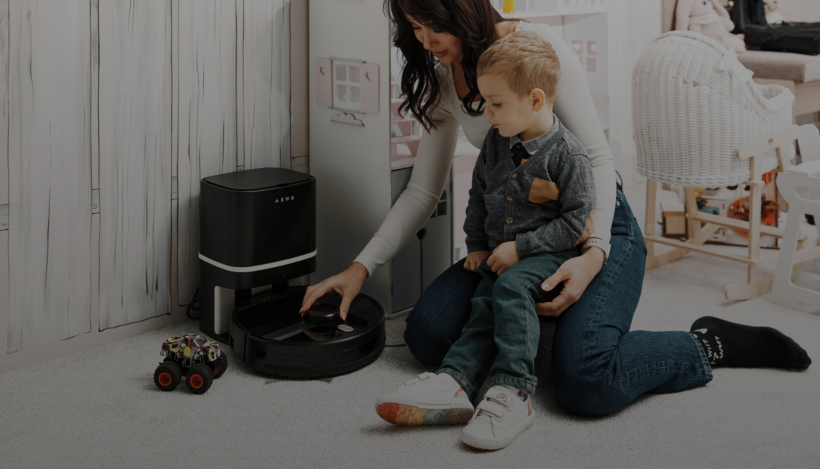
Is it worth buying a robot vacuum cleaner
A robot vacuum cleaner – is it worth buying? What are the main advantages and disadvantages of robot vacuum cleaners, and why might you need one in your apartment? We decided to look at these questions based on our own experience. Below, you will find the results of our analysis, which can help you make a practical and informed decision. Before choosing a model, however, it is useful to understand both the pros and cons of this type of household appliance.
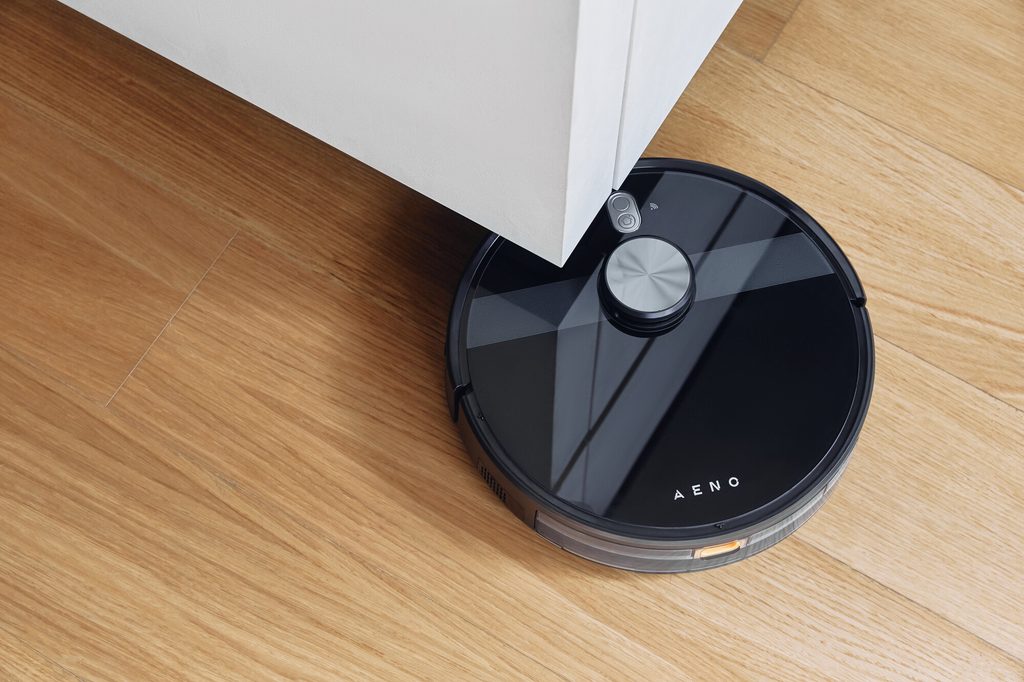
Advantages of a robot vacuum cleaner
The most important advantages include:
You don’t have to spend your own time and energy cleaning the floor. While the robot vacuum cleaner is operating and collecting dust, dirt, crumbs, hair, and other debris, you can concentrate on other activities. You can take the dog outside, watch your favorite TV show, work at your computer, relax with friends, or simply enjoy some free time. The main advantage is that the device performs its task without requiring you to constantly supervise it.
Cleaning can effectively disappear from your regular list of household chores. That sounds convenient, especially when the robot is supported by a good mobile app. Modern applications allow you to create a cleaning schedule, select individual rooms, monitor the device, or start the cleaning process remotely. You do not necessarily have to be at home when the robot vacuum cleaner starts working. During the AENO RC2 test, I was able to appreciate one of the most convenient and user-friendly applications available for robot cleaners.
Quite a few people remain skeptical about this type of equipment because they believe that the cleaning quality cannot compete with that of a powerful traditional vacuum cleaner. There is some truth to this opinion, and we are not going to hide that from you. Nevertheless, there is an important detail that should be taken into consideration before making a final judgment.
A robot vacuum cleaner generally needs more time to clean a room than a person using a traditional vacuum cleaner. Its suction power may be lower than that of some conventional models, but the longer operating time helps compensate for this difference. A robotic vacuum can repeatedly pass over the same areas and gradually collect the dirt that remains on the surface. At the same time, robot vacuum cleaner rankings now include models that can collect dust efficiently without spending an excessively long time driving around the room.
Robotic vacuums don’t scratch floors under normal operating conditions. Their construction is designed to move across the surface without causing unnecessary damage, which can be particularly important for delicate flooring. In this respect, they can be more convenient than some traditional models.<br>
If you are worried that a modern vacuum cleaner might be too complicated to control, there is usually no need for concern. Robotic cleaners are commonly managed remotely through a dedicated mobile application. Some models also provide a small remote control or physical buttons on the body. The exact options depend on the functionality of the individual model, but manufacturers generally focus on making these devices as straightforward and convenient to operate as possible.
Robotic vacuum cleaners usually operate quite quietly. When compared with a conventional vacuum cleaner, the difference can be significant. Most people have experienced hearing a neighbor vacuuming an apartment, and the noise produced by traditional devices can quickly become irritating. Robot vacuum cleaners are designed for regular automated cleaning, and their sound is often lower, more consistent, and less intrusive. This makes it easier to use them while watching television, working, or relaxing at home.
A high-end model should be capable of cleaning different types of surfaces effectively, especially hard floors such as parquet, laminate, and tile, while also supporting wet cleaning where available. Cheaper devices may have more difficulty dealing with soft surfaces, especially carpets and rugs. This characteristic can therefore be viewed as either an advantage or a disadvantage depending on the class and capabilities of the ride-on vacuum cleaner. During the AENO RC1 test, I found that even a heavily soiled carpet covered with a lot of hair and scattered coins was not necessarily an impossible challenge. However, this level of performance usually comes with a higher price, because a powerful autonomous robot requires more advanced technology and components.
Another practical advantage is the compact size of this equipment. Robot vacuum cleaners are relatively small and lightweight, so storing them is generally much easier than storing a traditional vacuum cleaner. My bagged vacuum cleaner still occupies a corner in one of the rooms because there is simply nowhere convenient to put it. Charging stations for robotic cleaners are also becoming more compact, and modern units can usually return to the base automatically and drive onto its ramp without difficulty.
You can also find robotic cleaners designed for specific needs. There are models aimed at pet owners, devices designed to help people with allergies, and increasingly popular robotic mops. There are also 2-in-1 hybrid devices that combine dry vacuuming with wet cleaning. Wet cleaning does not always completely replace manual floor washing, but it can be very useful for refreshing the surface between deeper cleanings. For everyday maintenance and removing light dirt, this additional function can be a significant advantage.
Another benefit is the consistency of cleaning. A traditional vacuum cleaner may only be used once or twice a week because manual cleaning takes effort. A robot vacuum cleaner, by contrast, can work on a regular schedule and keep dust and small debris from accumulating. In 2026, many modern models are designed around this idea of continuous maintenance rather than occasional deep cleaning, making automated floor care particularly attractive for busy households.
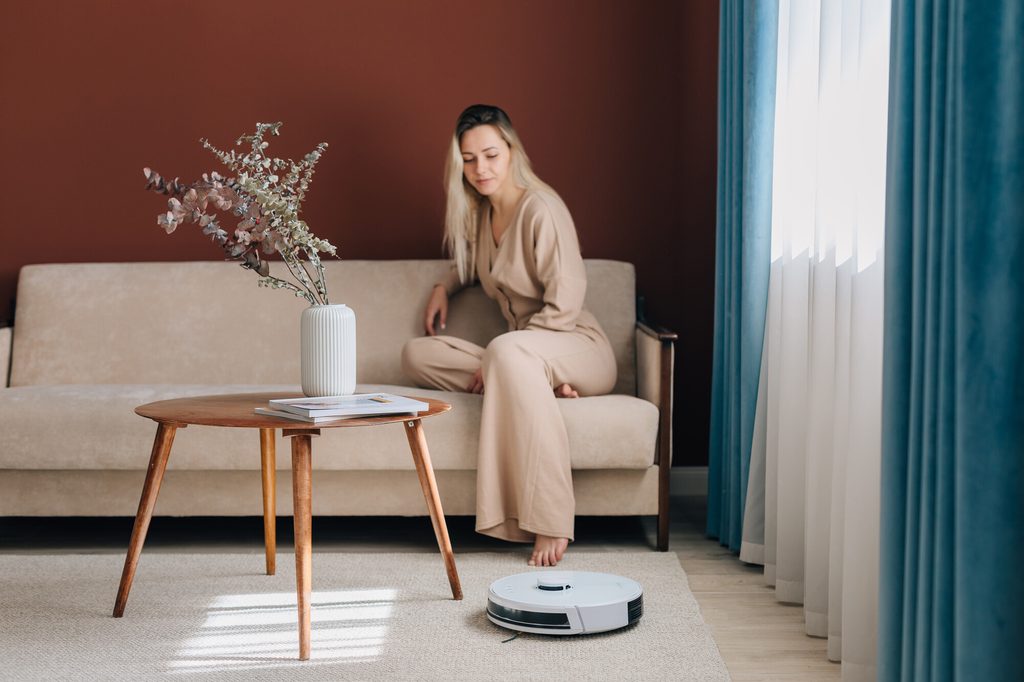
As you can see, there are quite a few advantages, and many of them are directly connected with the autonomous nature of robotic cleaners. They can save time, simplify routine household tasks, reduce the amount of manual vacuuming, and occupy very little storage space. All of this strongly supports the idea of buying a robot vacuum cleaner. However, before making a purchase, it is equally important to consider the disadvantages.
Cons of a robot vacuum cleaner
As we have already mentioned, a lot depends on the specific model. Some vacuuming robots, particularly inexpensive ones, are not particularly thorough. They may become confused in a room, repeatedly miss certain areas, struggle with navigation, get stuck against small obstacles, bump into furniture, or fail to climb onto a carpet correctly. Even after reaching the carpet, a low-cost model may not have enough cleaning performance to deal effectively with a more demanding surface. This is one of the main differences between simple robotic cleaners and more advanced devices.
Another obvious disadvantage is the price. The cheapest robot vacuum cleaners can cost around $90 to $120, but products in this range rarely replace a traditional vacuum cleaner to a meaningful degree, even in a relatively small apartment. They are often closer to convenient gadgets than to fully capable cleaning systems. Models with better navigation, stronger suction, larger batteries, mapping features, and wet-cleaning capabilities can require a much greater investment. In some cases, the price may exceed $400 to $700, which makes the purchase significantly more expensive than a basic traditional vacuum cleaner.
Of course, vacuum cleaners of this type are cordless devices, and this creates additional limitations. The issue is not only their limited operating time on a single charge, but also the gradual wear of the battery. Even with a reputable brand, battery capacity can decline after repeated charging cycles. Eventually, the battery may need replacement. I know of cases where manufacturers provided a free battery replacement after around two years, but this still cannot be considered a universal situation. Before purchasing a robot vacuum cleaner, it is worth checking whether replacement batteries are available and how much they cost.
Many people mistakenly believe that a robot vacuum cleaner will do absolutely everything by itself. In reality, once the robot has started cleaning, it often requires very little attention from the user. However, it is still necessary to prepare the room. Before starting a cleaning cycle, it is better to remove cables, small objects, clothing, toys, and anything else that could interfere with movement. This preparation may only take a few minutes, but it is still an additional task that should not be ignored.
Another limitation is that a robot vacuum cleaner is primarily designed for maintaining cleanliness rather than completely replacing every other form of cleaning. It is excellent at collecting everyday dust, crumbs, hair, and small particles, but there can still be situations where a traditional vacuum cleaner is more convenient. Cleaning stairs, narrow corners, furniture, high surfaces, or heavily contaminated areas may still require a conventional device or manual cleaning. Therefore, for many households, the best solution is not choosing one type of vacuum cleaner over another, but using each one for the task where it is most effective.
Types of robot vacuum cleaners
There are only three basic types of robot vacuum cleaners. Although they may look quite similar from the outside, their functions and intended use can be noticeably different.
Types of robot vacuum cleaners:
1) Dry vacuum cleaner robots.
2) Washing robot vacuum cleaner.
3) Robotic vacuum cleaners for mixed cleaning.
Dry vacuum cleaner robots are primarily designed to collect dust, hair, crumbs, and other dry debris from the floor. Washing robot vacuum cleaners are equipped with a system for wet floor cleaning, while mixed-cleaning models combine vacuuming and mopping functions in one device. The right type depends on your flooring, cleaning habits, the size of the apartment, and the level of automation you expect from the appliance.
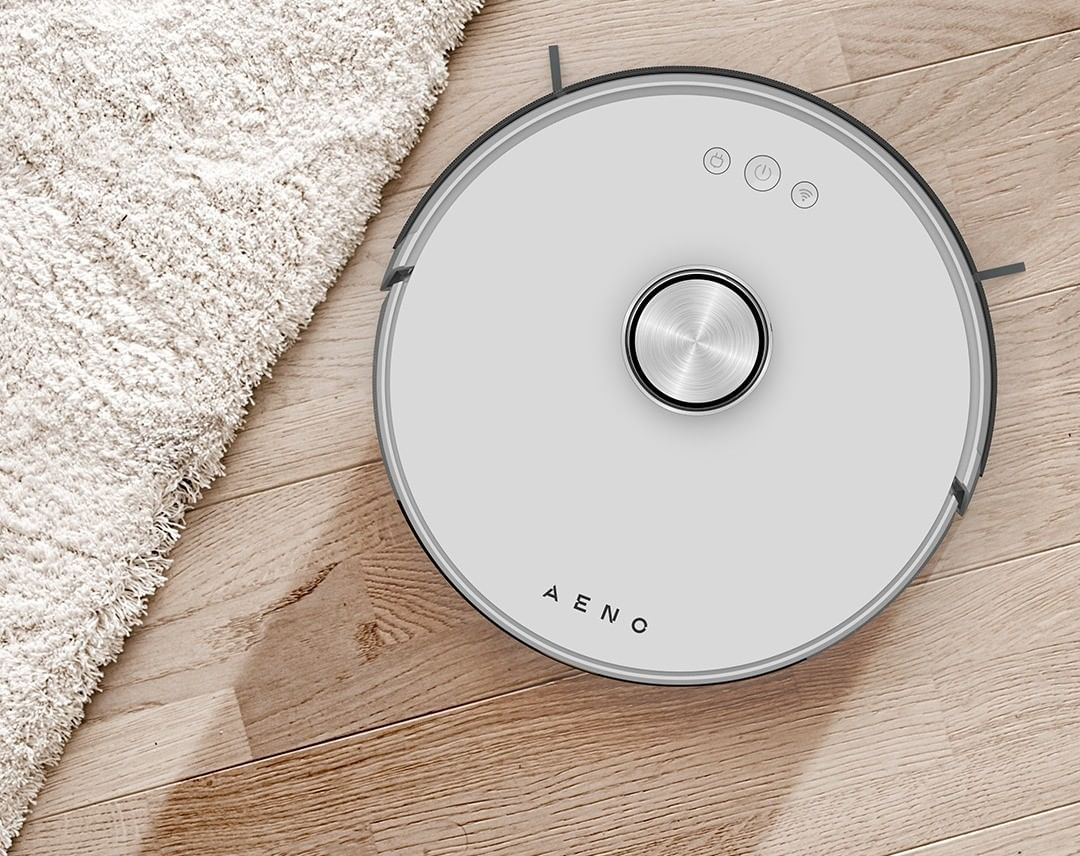
Is it worth buying a robot vacuum cleaner – the final verdict
Answering the question of whether a robot vacuum cleaner is necessary in a house or a small apartment, our answer is: unambiguously, yes! A good robot vacuum cleaner can clean the floor independently, saving you both time and physical effort. It usually works quietly, offers a convenient mobile application, and may provide additional functions such as wet cleaning, scheduled operation, room selection, and automatic return to the charging station. At the same time, its compact dimensions mean that it takes up very little space.
However, the final answer to the question of whether to buy a robot vacuum cleaner depends primarily on several factors: the size of the room, its layout, the type of flooring, the amount of furniture, and your personal expectations. The more densely furnished the apartment is, the more difficult it can be for a robot to move freely and reach every area. Cables, low furniture, thresholds, carpets, and narrow spaces can also influence the quality and convenience of cleaning.
The frequency of cleaning is another factor worth considering. If your home quickly accumulates dust, pet hair, crumbs, or other small debris, an autonomous robot can provide a noticeable improvement in everyday comfort. Instead of performing a complete manual cleaning session every few days, you can schedule shorter and more frequent cleaning cycles, helping the floor remain presentable for longer.
In addition, when choosing a model, the class of equipment matters. One vacuuming machine may simply move around and collect some dirt, while another can become one of the best household investments you have made in years. The difference is often determined by navigation, suction performance, battery capacity, obstacle recognition, application functionality, cleaning modes, and the quality of the overall design. Therefore, buying the right robot vacuum cleaner for your apartment is usually more important than simply choosing the cheapest available model.

Want to BUY this product?
Check out retailer list for your country.

 Tatyana Ryzhova

4 comments
Amazing guide about Robot Vacuums! No doubt, robot vacuums are worth it.
Really great explanation. Thanks
Considering the ongoing advancements in robotic vacuum cleaner technology, do you foresee any upcoming features or innovations that could further enhance their efficiency and address current limitations?
I’ve had a robot vacuum cleaner in my apartment for a few months now, and I can definitely attest to some of the pros mentioned in this post. It’s been a game-changer for keeping my floors clean with minimal effort. However, I’ve also experienced a few of the cons, so it’s important to weigh both sides before deciding if it’s worth it for your space